

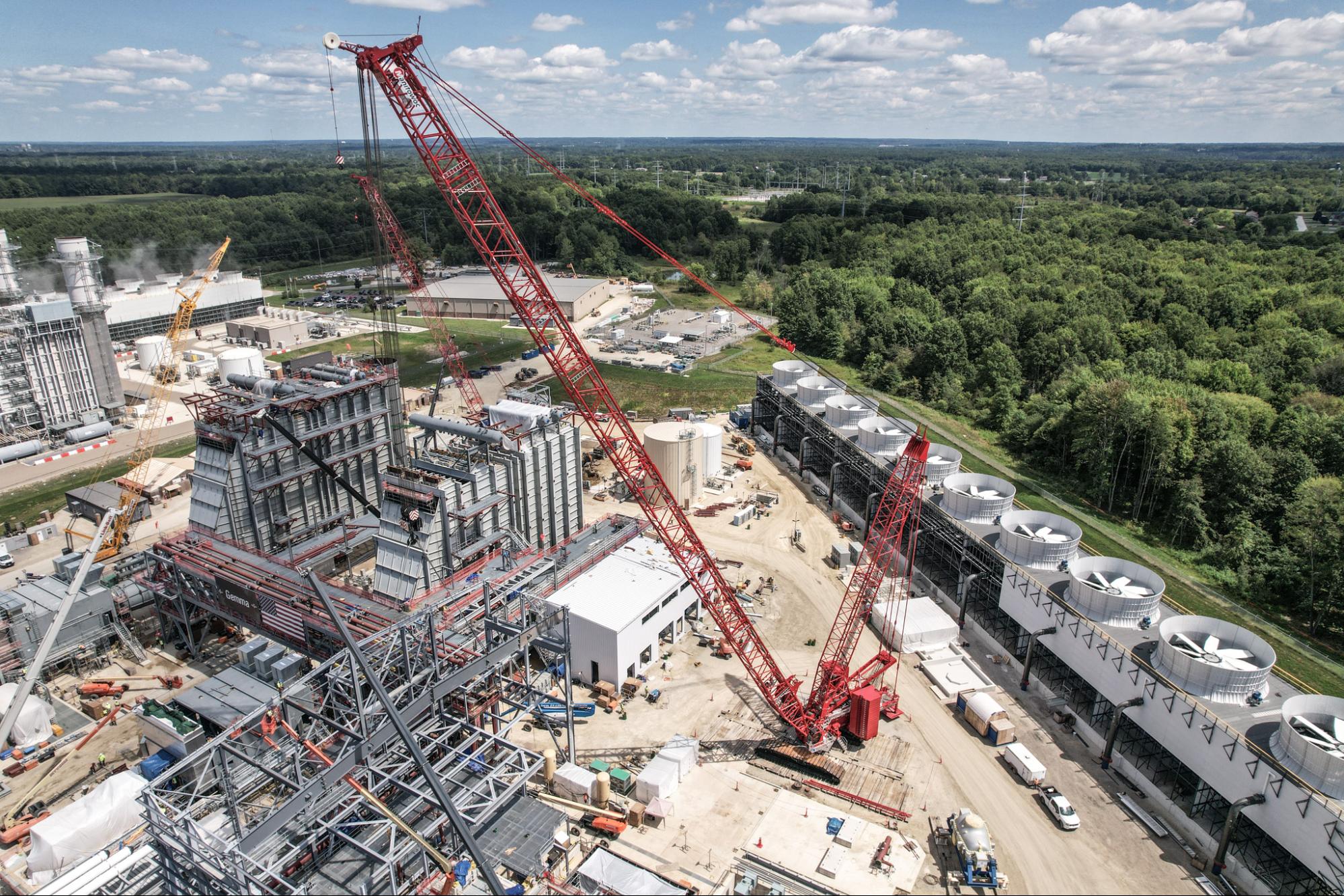
Heavy rigging is engineered lift service for complex projects. It kicks in when a lift moves past standard crane rental and requires formal planning, specialized equipment, and an engineered execution sequence. This guide explains what the service covers, when your project needs it, and what standards govern the work.
Key Takeaways
- Heavy rigging is engineered lift service for loads, reaches, or site conditions that exceed standard crane work. It includes lift planning, specialized equipment, and execution by a planning and engineering team, not just a bare rental.
- A critical lift isn’t defined by a single regulation. Project owners, contractors, and lifting partners flag a lift as critical when the load, the site, or the consequences of a failure push the operation beyond routine crane work.
- OSHA 29 CFR 1926 Subpart CC governs cranes and derricks in U.S. construction. ASME B30.9 governs slings, B30.26 governs rigging hardware, and P30.1 governs planning.
- Engineered rigging work often uses hydraulic gantry systems, jack and slide methods, and below-the-hook devices when a conventional crane lift isn’t feasible.
- Manufacturing, industrial, and large commercial projects drive most heavy rigging demand, including data centers, semiconductor plants, and energy infrastructure.
- Engaging a rigging engineer early gives the team room to assess site conditions, specify equipment, and develop a lift plan before schedule pressure compresses the options.
What Is Heavy Rigging?
Heavy rigging is the planning, engineering, and execution of lifts that exceed the scope of a conventional crane rental. It covers loads that are too heavy, too large, too fragile, or too awkwardly positioned for a standard pick-and-place. It also covers sites where a standard crane cannot reach where it needs to, and operations where a failure would be severe enough to require formal planning and review.
The distinction between rigging and heavy rigging matters because it changes what the provider delivers.
- Standard rigging is hardware-focused. It covers the hooks, slings, shackles, and spreader beams that attach a load to a crane hook. For a closer look at the equipment side of the work, see the primer on rigging equipment for heavy lifting operations.
- Heavy rigging is the broader discipline that includes that hardware plus engineered lift planning, specialized equipment, and a coordinated execution sequence. The hardware is the means; the engineering is the service.
What Qualifies a Lift as a Critical Lift?
A critical lift is one where the load, the site, or the consequences of a failure push the operation beyond routine crane work. It’s a planning category more than a regulatory one — owners, contractors, and lifting partners set the specific criteria for their projects — but the factors that flag a lift as critical are consistent across the industry.
A lift is commonly treated as critical when one or more of the following are present:
- The load is at or near the crane’s rated capacity for the configuration in use
- The load is fragile, irreplaceable, or represents a significant investment, such as long-lead process equipment or one-of-a-kind structural modules
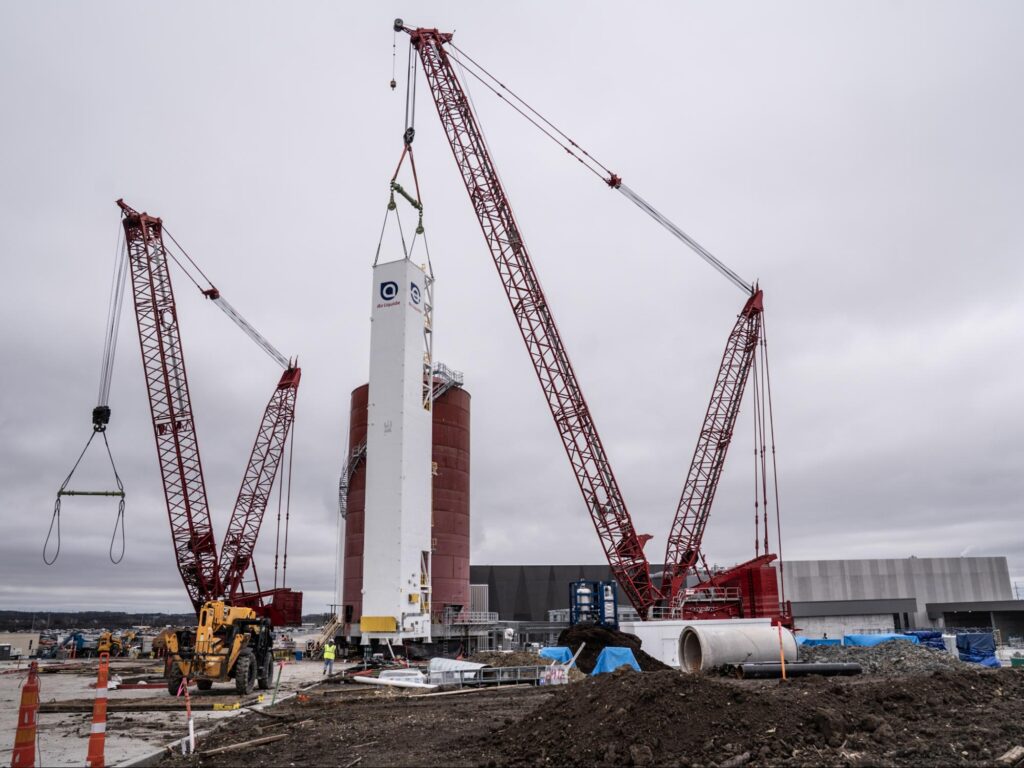
- The lift requires two or more cranes working together (a tandem or multi-crane lift)
- The site has restrictions that limit crane setup, boom configuration, or swing radius
- A failure would expose workers, the public, or critical infrastructure to significant risk
- The lift involves personnel handling or work over occupied structures
Not every heavy lift is a critical lift. When a lift does reach critical territory, project owners, general contractors, and site safety policies often call for a documented lift plan, and complex lifts may warrant engineering review and a crew briefing before execution.
What Engineered Rigging Involves
Engineered rigging is the discipline of moving extremely heavy or oversized loads when standard crane work isn’t the right approach. The work relies on specialized lifting and positioning equipment, paired with engineering, equipment operators, and rigging crews that handle the load from setup through placement.
Maxim’s engineered rigging services bundle the engineering, equipment, and crew as a single offering for major component replacement and industrial heavy lifting projects. A typical engagement includes:
- Lift planning: Site evaluation, load analysis, equipment selection, rigging specification, and lift plan development by Maxim’s engineering team.
- Specialized equipment: Hydraulic gantry systems, jack and slide systems, barge ramps and platforms, heavy hydraulic jacks, counterbalance beams, and below-the-hook devices engineered for the specific load.
- Operators and rigging crew: The equipment operators and the riggers who attach, signal, and guide the load are part of the engineered rigging package, so the crew executing the plan is the same team that planned it.
- Project management: End-to-end coordination, from conceptual design through site execution. On multi-phase or long-duration engagements, project management services tie engineering, equipment, and crew together across the project timeline.
The engineering team plans the work, the operators and riggers execute the plan, and the contractor gets a single coordinated service.
When Your Project Needs Engineered Lift Services
Most commercial lifts don’t need an engineered rigging program. A standard crane rental, a lift plan scaled to the job, and a qualified operator are enough for a routine pick.


The signals that push a project into engineered territory are usually some combination of the following:
- Load size or weight: If the load is approaching the chart limits of the cranes you’d normally use, or exceeds what a single mobile crane can handle, engineered rigging is the path forward.
- Load sensitivity: Long-lead process equipment and one-of-a-kind modules warrant engineered planning even when the weight alone doesn’t demand it, because a damage event would blow the schedule.
- Site constraints: Urban sites, occupied facilities, confined industrial plants, and locations with overhead obstructions often require specialized equipment and a more involved lift plan. For how dense urban sites shape lift design, see the guide to urban crane lift planning.
- Multi-crane operations: Any tandem or multi-crane lift is classified as critical by default under most planning frameworks and requires engineered documentation.
- Regulatory or permitting requirements: Some lifts need engineered documentation because a jurisdiction, owner, or insurance carrier demands it, not because the lift itself is exotic.
The earlier a rigging engineer gets involved, the more options the project has. A partner engaged during project design has room to shape the lift. A partner engaged a week out is executing within constraints already set.
Industries That Rely Most on Heavy Rigging
Engineered lift work concentrates in industries where the loads are heavy, the components are specialized, and the sites are complex. Heavy lifting demand sits primarily in manufacturing, commercial, and infrastructure construction (sectors highlighted in the Dodge Construction Network 2026 Outlook).
Where engineered lift services show up most often:
- Industrial and manufacturing: Refineries, chemical plants, power generation, and semiconductor manufacturing all involve large process equipment, tight installation tolerances, and facility constraints. U.S. Census Bureau manufacturing construction spending has held at sustained highs through 2024 and 2025. See industrial crane rental services for more.
- Infrastructure: Bridge placements, utility and energy work, and major transportation projects often involve oversized components and coordinated multi-crane lifts.
- Commercial construction: Stadiums, large hospitals, convention centers, and data centers run into engineered lift requirements for signage, roof systems, mechanical units, and structural steel on tight urban sites.
- Specialty and one-off projects: High-visibility work that makes the trade press. Maxim’s Pathfinder replica shuttle lift at the U.S. Space and Rocket Center is the kind of high-consequence lift where engineered rigging is the only viable approach.
How Maxim Crane Supports Engineered Lifts
Maxim Crane is one of the largest providers of comprehensive lifting services in the United States, with more than 50 locations across five regions and coast-to-coast coverage for commercial, industrial, and infrastructure projects. On engineered lift work, the service stack includes:
- A large, refreshed fleet of cranes, available with or without operating crews. When a project needs a specific tonnage class, configuration, or attachment, fleet scale and geographic reach matter.
- A knowledgeable engineering team that handles lift planning, equipment selection, rigging design, and critical lift plan development.
- Certifications under ISO 9001, 14001, and 45001 covering quality management, environmental management, and occupational health and safety.
- A zero accident safety philosophy, reinforced by the SC&RA 2024 Crane and Rigging Group Safety Award and a record-low Total Recordable Incident Rate in 2024.
The result is a single partner for complex lifts instead of a coordination problem across multiple vendors.
Turner Construction has partnered with Maxim Crane across decades of complex builds, including TQL Stadium. Project Manager Dave Bareswilt describes what that engineered lift partnership delivers on the jobsite.
Frequently Asked Questions About Heavy Rigging
What is the difference between rigging and heavy rigging?
Rigging is the general discipline of attaching loads to lifting equipment using slings, hooks, shackles, and related hardware. Heavy rigging is the engineered service tier that applies when a lift requires formal planning, specialized equipment, and an engineering-grade execution sequence. The distinction comes down to whether the load, site, or failure consequences exceed a standard crane rental.
When does a lift qualify as a critical lift?
A lift is typically flagged as critical when one or more of these factors are present: the load is at or near the crane’s rated capacity, the load is fragile or irreplaceable, two or more cranes are required, the site has significant restrictions, or a failure would pose substantial risk. There isn’t a single regulatory definition — owners, contractors, and lifting partners set the specific criteria for their projects.
Who is responsible for developing the lift plan on a complex job?
It requires input from multiple parties. The rigging engineer develops the lift plan and the critical lift plan, while the contractor contributes the load data, site plan, and schedule constraints. On engineered lifts, the provider owns the planning deliverable, but the contractor remains responsible for site conditions, access, and coordination with other trades.
When should a project manager bring in a rigging engineer?
Earlier than most project teams think. By the time a lift is a few weeks out, equipment availability and site logistics have already narrowed the options. Engaging a rigging engineer during project design lets the team evaluate site conditions, specify the right equipment, and build a defensible lift plan before schedule pressure takes over.
Plan Your Next Engineered Lift With Maxim Crane
Complex lifts reward the teams that plan them early. If you have a project that’s edging into critical lift territory, request a quote from Maxim Crane to start the conversation, or explore Maxim’s engineered rigging services to see how the team approaches complex lift work.
