

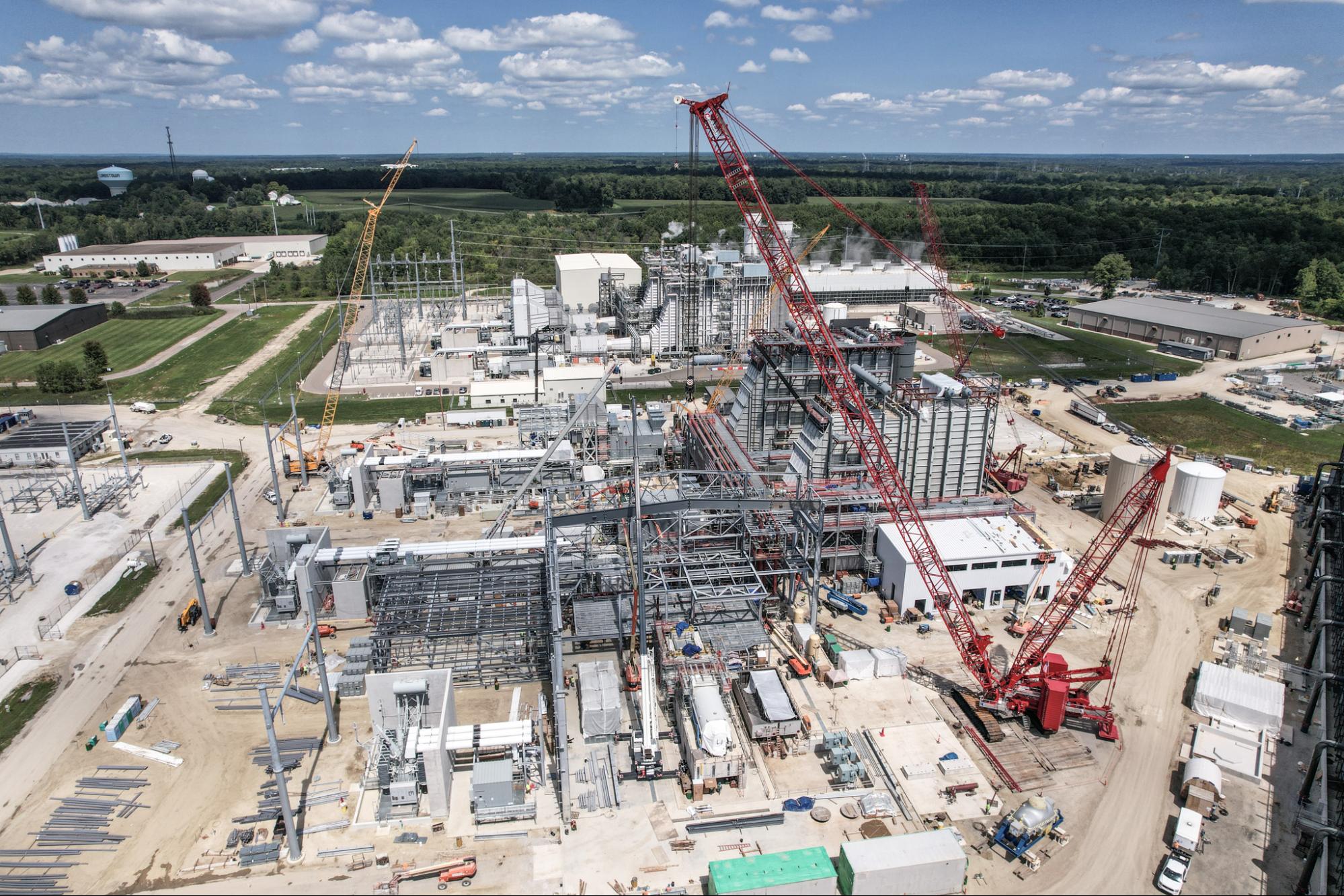
Every crane lift has its own plan. On a multi-phase project, the harder question is what order those lifts happen in, and why. Crane lift sequencing is the discipline that connects individual lifting operations to the master schedule, and when it breaks down, the effects are felt across every trade on site.
Key Takeaways
- Crane lift sequencing is a scheduling discipline, not just a safety checklist. The order of lifts across project phases directly affects the critical path.
- 87% of contractors reported experiencing construction delays in a 2023 survey, with 49% identifying schedule management as a primary challenge. Poor lift sequencing is a documented contributor.
- Delivery sequences and assembly dependencies must be mapped before the lift schedule is finalized. A crane cannot set steel that has not arrived or cannot be staged.
- Critical-path lifts require earlier engagement with your crane rental partner, often months before mobilization.
- Shared schedule visibility between the project manager, subcontractors, and crane partner is the most effective tool for preventing sequence-driven delays.
What Crane Lift Sequencing Means for a Project Manager
Crane lift sequencing is the process of determining the order, timing, and interdependencies of all lifting operations across a project’s phases, then managing those decisions so the schedule holds. It is not about what goes inside a single lift plan document, such as crane type, rigging specifications, or load radius. Those elements belong in the individual plan for each operation. Sequencing is the layer above that: which lift happens first, which lifts unlock downstream work, and what happens if one slips.
Sequencing decisions carry real schedule consequence. A lift delayed because a steel delivery arrived late, a subcontractor was not ready, or the crane was committed elsewhere does not just affect that one operation. It pushes installation milestones forward, displaces other trades, and can put a completion date at risk.
The PM’s core responsibility: seeing those dependencies before they create problems. That requires integrating crane operations into the master schedule as genuine dependencies, not as stand-alone tasks with assumed flexibility.
Why Lift Sequencing Belongs on the Critical Path
Crane operations are often on, or adjacent to, the critical path on construction projects, but are sometimes planned as if they were independent tasks with flexible timing. Treating them that way is a sequencing risk.
A 2023 survey cited by construction scheduling research found that 87% of contractors reported experiencing construction delays, with 49% identifying schedule and timeline management as a key challenge. Lift sequencing is one of the places where those pressures concentrate. When a critical lift slips, the effects can cascade across the project:
- Structural completion falls behind, pushing every dependent phase with it.
- Mechanical rough-in is delayed because the structure is not ready to receive it.
- Building envelope work stalls until the structure is in place.
The cost of a single missed lift day is not just crane downtime. It includes cascading idle time for the crews whose work depends on what the crane was supposed to place. When lift operations are mapped to the master schedule as genuine dependencies, PMs can identify potential conflicts weeks or months in advance. Sequence conflicts that surface the day before mobilization are rarely cheap to resolve.
Building Your Lift Sequence: A Phase-by-Phase Approach
Building a strong lift sequence starts with the master schedule, not with the lift list. The goal is to work backward from project phase completion milestones to determine which lifts have to happen when, which have schedule flexibility, and what external factors could interrupt the plan.


Anchor the Sequence to the Master Schedule
Before scheduling a single crane day, identify which project milestones are schedule-critical. Structural steel placement, precast panel installation, mechanical equipment setting: these operations drive everything that follows. The lift sequence should be built around those milestones first, not inserted after the schedule is already locked.
This means using the master schedule as the primary reference when building the crane plan. A lift schedule that does not align with subcontractor readiness, material delivery windows, and adjacent trade schedules will create conflicts regardless of how well the individual lift plans are written.
Classify Lifts by Schedule Dependency
Not every lift carries the same schedule risk. Classifying lifts before the schedule is locked helps PMs make informed decisions about crane resource allocation and planning lead time.
- Hard dependencies: The project cannot move forward until these lifts are complete. They warrant earlier crane reservation, more planning attention, and more conservative contingency buffers.
- Flexible lifts: These can be repositioned around resource constraints or subcontractor readiness without affecting the critical path, giving the schedule room to absorb minor disruptions.
This classification also shapes how much engineering and planning attention each lift requires. OSHA §1926.1432 requires a written lift plan for any multiple-crane or derrick lift, developed by a qualified person and reviewed with all workers involved before the operation begins. Beyond the regulatory floor, many owners and general contractors impose their own submittal requirements for complex lifts. The earlier those plans are in development, the more time the project team has to identify conflicts before they affect the schedule.
Capacity constraints can also shape sequence decisions. For projects where crane lifting capacity needs to be evaluated against specific component weights and dimensions, the Maxim Crane blog Crane Lifting Capacity: Master It for Project Success covers how to integrate those assessments into project planning.
Map Material Delivery to Lift Order
A well-sequenced lift plan is only executable if the material is there. Structural steel, precast components, and mechanical equipment have their own delivery logistics, and those delivery sequences need to feed directly into the lift schedule.
If a crane is mobilized before a critical component arrives, the project is paying for standby time. If components arrive out of order because the delivery schedule was not coordinated with the lift sequence, the site may not have adequate staging space, or the first lift may not be the right lift. The PM’s role is to treat material delivery milestones as lift plan inputs, not afterthoughts.
Build In Dependency and Weather Buffers
Even a well-constructed lift sequence will encounter disruptions. Weather windows, subcontractor readiness, and shared equipment conflicts are predictable sources of schedule pressure. The sequence should account for them before mobilization.
This does not mean padding every crane day with idle time. It means identifying which sequence positions have the least tolerance for delay (specifically, the lifts immediately preceding a critical phase completion) and protecting those positions with realistic contingency windows. Certain crane operations have defined wind speed and weather limitations. Scheduling a critical lift with no contingency day available is a sequencing risk, not just a weather risk.
Aligning Vendors and Subcontractors Before Problems Occur
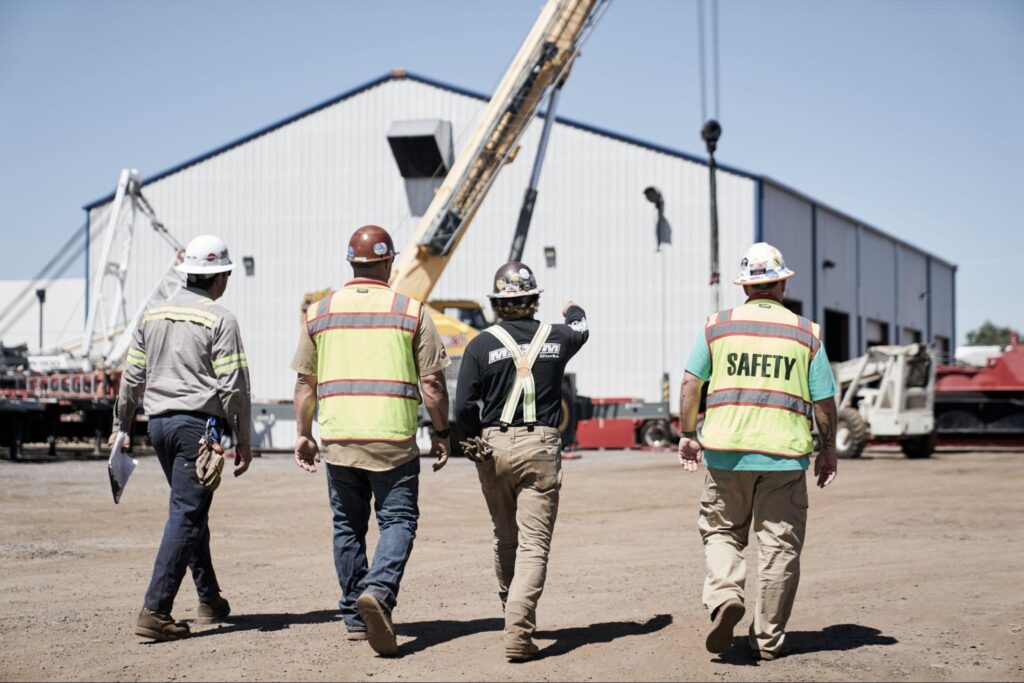
One of the most common sources of lift sequencing failure is not a bad plan. It is a good plan that was not shared with everyone who needed to execute it. Aligning the crane rental partner, subcontractors, and material suppliers to the full lift sequence, not just their individual dates, is the coordination step that closes that gap.
Several items need to be shared across the project team before mobilization begins:
- The full lift sequence with dates, dependencies, and critical-path designations
- Material delivery windows and staging requirements tied to each lift
- Subcontractor readiness milestones that must be met before specific lifts can proceed
- Contingency windows for weather or access delays
- A clear escalation process for when sequence dependencies will not be met on time
The crane rental partner, in particular, should understand the full project sequence, not just the mobilization date. Knowledgeable crane professionals can help identify sequence risks early, advise on crane positioning for multi-lift phases, and adapt to changes more effectively when they have seen the complete picture up front.
Maxim Crane’s project management services are built around this kind of coordination. Maxim’s team works alongside the project manager to integrate crane operations into the project schedule, flag sequencing risks before they become delays, and keep the lifting phase aligned with the construction timeline from planning through completion.
For complex multi-crane or tandem lift scenarios, engineered rigging planning adds another layer of sequencing coordination that needs to be woven into the master schedule early in the process. Maxim’s engineering services team can support that work as part of a broader lift planning effort.
Frequently Asked Questions About Crane Lift Sequencing
What is a lift sequence in construction?
A lift sequence is the planned order in which crane operations will occur across a construction project. It maps individual lifts to the project schedule, identifies dependencies between lifting operations and other work, and establishes the timing needed to keep the construction timeline intact. Sequencing is distinct from the contents of a single lift plan: it addresses how multiple lifts relate to each other and to the rest of the project.
How far in advance should a crane rental be scheduled for a multi-phase project?
For projects with critical-path lifting operations, crane rental planning should begin well before mobilization, often three to six months in advance for large or complex projects. Engaging the crane rental partner early in the scheduling process gives them the context to support lift sequence planning, not just show up on the agreed date. Early engagement also improves access to specific crane types, particularly for projects with tight equipment availability windows.
What causes crane delays on construction projects?
Common causes include material delivery delays that result in standby time, subcontractor sequencing conflicts, weather-related holds, and insufficient lead time for crane reservation and mobilization. Structural and design changes are also documented contributors, affecting 35 to 40% of projects according to research cited by the Construction Industry Institute. Poor sequencing compounds most of these risks by leaving the project without a recovery plan when conditions change.
How do you coordinate multiple crane lifts on the same project?
Coordinating multiple lifts starts with classifying each lift by its schedule dependency, then building a sequence that reflects the actual order in which work must proceed. Each lift’s material delivery windows, subcontractor readiness requirements, and site access constraints need to be mapped before the crane schedule is finalized. Sharing the complete sequence with the crane rental partner early, and keeping that information current as conditions change, gives the team the context to make informed decisions when the unexpected happens.
Does lift sequencing apply to smaller commercial projects, or just large industrial builds?
Lift sequencing is relevant on any project where crane operations are connected to downstream trades. On smaller commercial projects, the consequence of a single delayed lift can be just as significant relative to total project duration. The scale of the planning framework adjusts (a smaller project may have fewer lifts to sequence), but the core discipline of mapping crane operations to the master schedule and aligning vendors to that sequence applies regardless of project size.
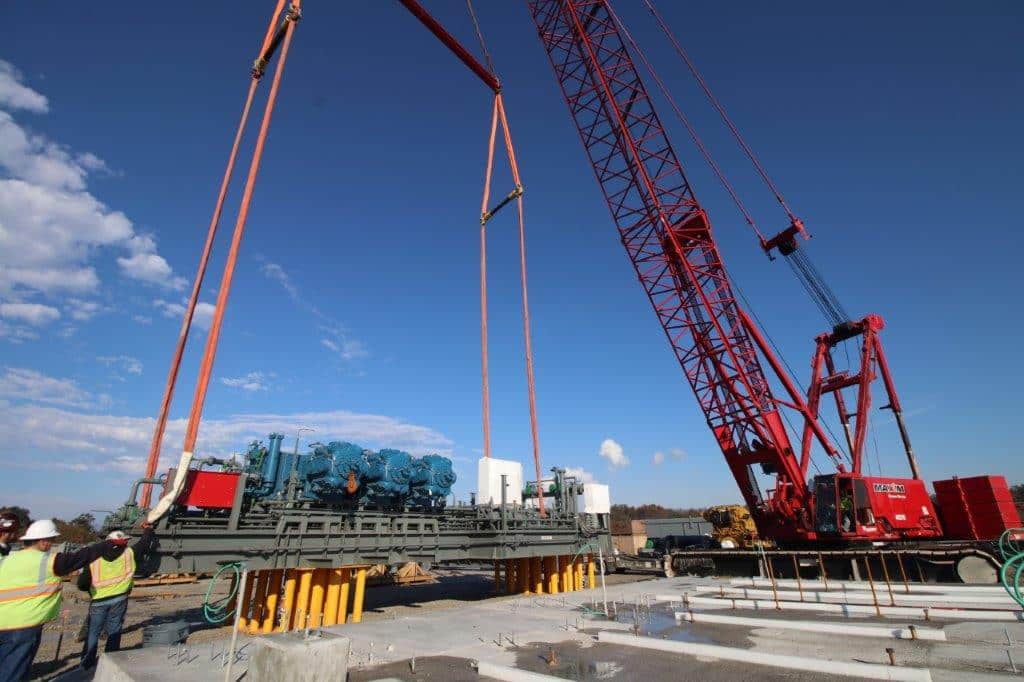
Plan the Sequence. Protect the Schedule.
Lift sequencing is not a planning step that happens after the master schedule is built. It is an input to it. Project managers who integrate crane dependencies into the schedule from the start have fewer surprises, better-aligned vendors, and more room to respond when conditions change.
Maxim Crane’s team of professionals with a high level of expertise in project management and engineering supports PMs through the full lift planning and sequencing process, from initial schedule review through on-site coordination. To discuss your project’s lifting requirements, request a quote from Maxim Crane.
