

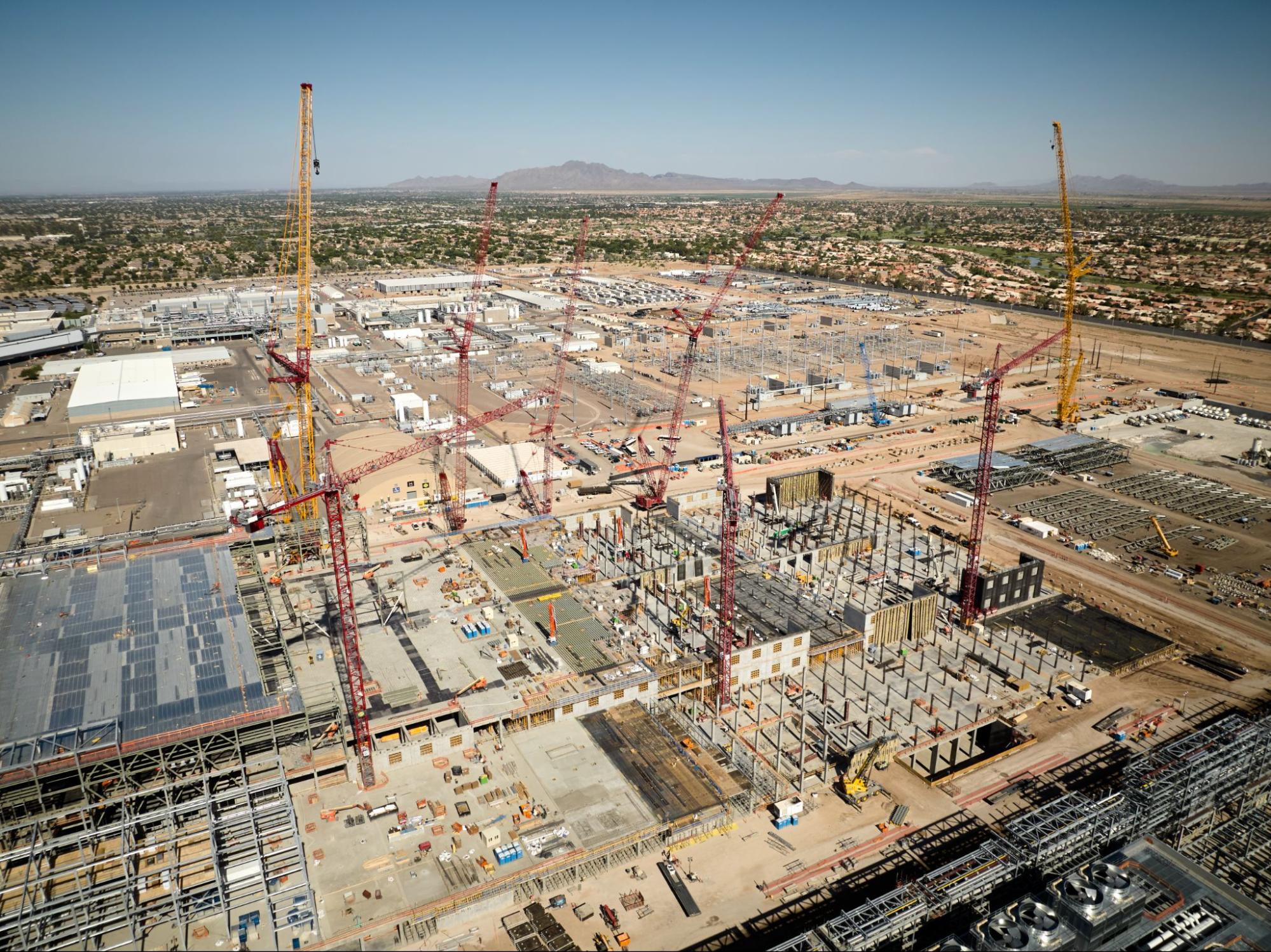
A crane rental budget built around a single mobilization and one set of equipment rarely survives a multi-phase construction project. As scopes shift between foundation work, structural steel, mechanical installation, and finish phases, the cranes you need, the duration you need them, and the costs attached to each change. Without a budgeting approach designed to flex with those phases, cost overruns become almost inevitable.
A 2022 McKinsey & Company study of more than 500 large capital projects found that cost overruns averaged close to 80% relative to initial budget estimates. Equipment costs, including crane rental, are a significant contributor when they aren’t planned at the phase level. This guide provides a practical framework for building a crane rental budget that tracks with each phase of your project, so you can forecast accurately, control costs in real time, and avoid the budget surprises that derail complex builds.
Key Takeaways
Here are the core principles for budgeting crane rental across multi-phase projects:
- Budget by phase, not by project. Each construction phase has different lift requirements, crane types, and cost profiles. A single lump-sum crane line item masks real costs and prevents accurate forecasting.
- Mobilization and demobilization costs multiply on phased work. Every time equipment moves on or off site, you incur transport, setup, and teardown expenses. Planning these transitions reduces total spend.
- Match the rental model to each phase’s demands. Short-term bare rentals, long-term operated and maintained agreements, and monthly tower crane contracts each serve different phases best.
- Build escalation and contingency into the budget from day one. Material price volatility, tariff impacts, and schedule shifts can inflate crane costs 15–25% if unaccounted for.
- Use cost governance checkpoints at every phase transition. Reviewing actual vs. budgeted crane spend before the next phase starts keeps small variances from compounding into major overruns.
Why Multi-Phase Projects Require a Different Crane Rental Budget
Single-phase projects have a relatively predictable crane profile: one type of crane, one mobilization, one rental period. Multi-phase projects are fundamentally different. A commercial high-rise might require crawler cranes for foundation piling, tower cranes for structural framing over many months, all-terrain cranes for mechanical equipment sets, and boom trucks for finish-stage hoisting. Each of those crane types carries different rental rate structures and cost variables.
The challenge is compounded by timing. Phases overlap, extend, or compress based on weather, permitting, supply chain delays, and design changes. A crane budgeted for 12 weeks might be needed for 16. A phase that was supposed to use one crane might require two working simultaneously to stay on schedule. When the budget doesn’t account for this kind of variability at the phase level, overruns accumulate quickly.
This is why experienced contractors treat crane rental as a phased line item rather than a single project cost. Each phase gets its own lift scope, equipment plan, and cost estimate, with built-in mechanisms for handling the changes that phased work always brings.
Defining Lift Scope and Cost Buckets by Phase
The foundation of a reliable crane rental budget is a detailed lift scope for each phase. Before you can price anything, you need to know what’s being lifted, how heavy it is, how high and far it needs to go, and what site conditions look like at that stage of construction.


Building a Phase-Level Lift Scope
For each phase, document the critical lift parameters that drive crane selection and cost. These typically include maximum load weight and radius, required boom length or tower height, number of lifts and estimated duration, and site access constraints at that stage of construction. This information feeds directly into crane selection. A phase that involves placing rooftop HVAC units on a six-story building has very different crane requirements than a phase focused on setting structural steel for that same building. Maxim Crane’s engineering services team evaluates these factors as part of the project planning process, helping to match the right equipment to each phase’s specific lift demands.
Core Cost Buckets for Each Phase
Once the lift scope is defined, organize the costs into consistent categories across all phases. This makes it possible to compare, forecast, and track spending at the phase level:
- Base rental rate: The daily, weekly, or monthly charge for the crane itself. Rates vary significantly by crane type, capacity, and market demand.
- Mobilization and demobilization: Transport, assembly, and disassembly costs for getting the crane to and from the site. For larger cranes like crawlers and towers, this can involve dozens of truckloads and multiple days of setup.
- Operator and crew labor: If using an operated and maintained rental, this is bundled. For bare rentals, operator costs must be estimated separately.
- Rigging and auxiliary equipment: Spreader bars, crane mats, counterweights, and other rigging accessories required for specific lifts.
- Permits and compliance: Road closure permits, crane operation permits, and any jurisdiction-specific regulatory fees.
- Insurance: Project-specified insurance requirements that may exceed the rental provider’s standard coverage.
Keeping these cost buckets consistent across phases allows you to identify where costs concentrate, which phases carry the greatest financial risk, and where there’s room to optimize.
Planning for Multiple Mobilizations and Demobilizations
Mobilization and demobilization are among the most underestimated costs in crane rental budgeting, and multi-phase projects multiply the exposure. Every time a crane arrives or leaves the site, you’re paying for transportation, potentially across long distances, plus the labor and time to assemble and disassemble the equipment.
For context, a small crawler crane might require three to four truckloads to move to a site, while Maxim Crane’s largest crawler cranes can require well over 100 truckloads. Each of those loads carries a cost, and each transition between phases is an opportunity for that cost to repeat. On a project with four or five distinct phases, unplanned mob/demob cycles can add tens of thousands of dollars to the final bill.
Several strategies can help control these costs across phased work:
- Consolidate lifts across adjacent phases. If one crane can serve both the steel erection and mechanical set phases, keeping it on site eliminates a demobilization and remobilization cycle.
- Negotiate multi-phase rental agreements. Working with a provider that understands phased project timelines allows you to structure agreements that account for planned gaps between phases, potentially at lower standby or reduced rates rather than full demob/remob costs.
- Coordinate heavy hauling logistics early. Maxim Crane’s heavy hauling services can help plan transport routes, permits, and schedules so that mobilization doesn’t become a bottleneck or surprise cost at each phase transition.
- Map mob/demob into the project schedule, not just the budget. Assembly and disassembly take time. A tower crane erection might take several days. If that time isn’t built into the project schedule, the resulting delays create their own cost overruns.
Choosing the Right Rental Model and Rate Structure Per Phase
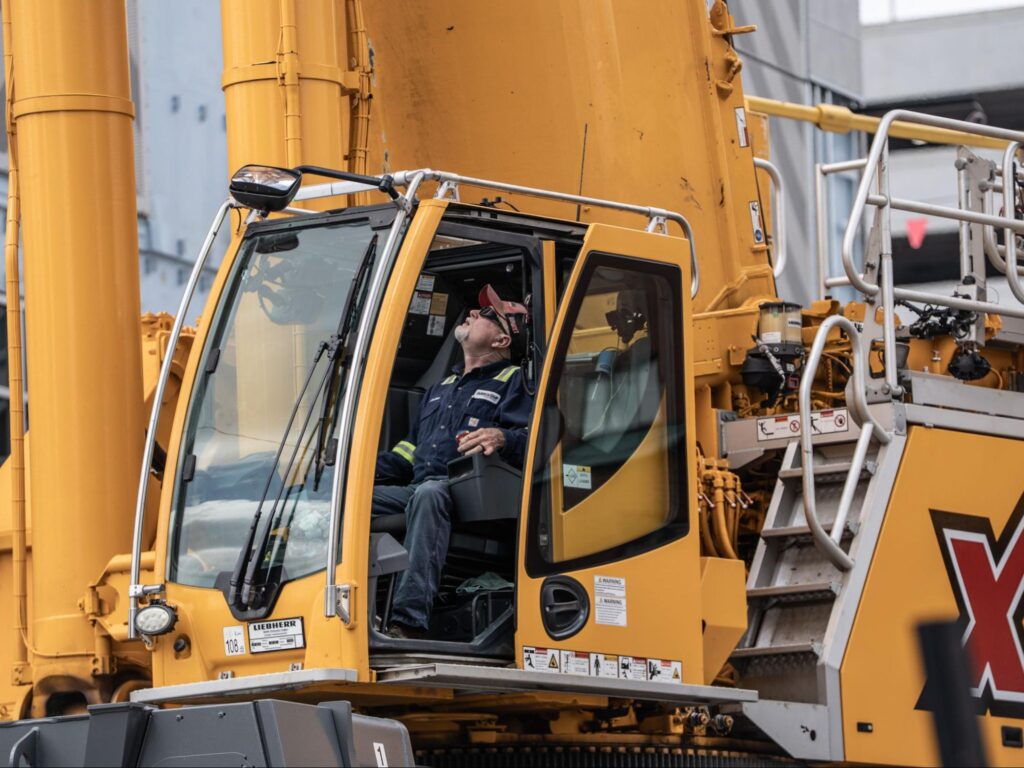
Not every phase of a project calls for the same rental approach. The choice between bare rental and operated and maintained rental has significant budget implications, and the right answer often changes from phase to phase.
Consider how rental model selection typically aligns with project phases:
- Short-duration, high-intensity phases (like structural steel erection) may benefit from operated and maintained rentals where the crane provider handles operators, maintenance, and insurance. This simplifies budgeting by bundling costs into a predictable rate.
- Long-duration phases (like a tower crane supporting months of vertical construction) are often priced on monthly rates. Understanding what’s included in that monthly rate vs. what’s billed separately is critical for accurate budgeting.
- Intermittent lift phases (like periodic equipment sets during fit-out) might favor shorter-term bare rentals or even daily/weekly agreements, especially if the contractor has certified operators on staff.
- Multi-site or national projects may benefit from a national accounts program that standardizes rates and terms across locations, reducing the administrative burden of managing separate agreements for each phase at each site.
Rate structures also vary. Daily rates favor short engagements, while weekly and monthly rates typically offer lower per-day costs for longer commitments. The key is matching the rate structure to the realistic duration of each phase, with enough buffer to avoid costly short-term extensions when schedules slip.
Building in Escalation and Contingency
Multi-phase projects can span months or years, and costs don’t hold still over that timeline. Material prices shift, labor markets tighten, and global trade policies introduce new cost pressures. A crane rental budget that doesn’t account for these dynamics is a budget that will be wrong.
Escalation Planning
For projects stretching beyond six months, build escalation factors into future-phase crane costs. This doesn’t require precise forecasting. It requires acknowledging that rental rates, fuel surcharges, and transport costs are subject to market conditions. Many contractors apply an annual escalation factor of 3–5% to equipment line items for phases scheduled more than a year out, then refine the numbers as those phases approach.
Contingency Reserves
Industry practice for contingency on crane rental typically falls in the range of 10–15% of the base crane budget for phases with well-defined scopes, and 15–20% for phases where scope, schedule, or site conditions carry more uncertainty. Common contingency triggers include weather delays that extend rental periods, schedule compression that requires additional cranes, scope changes that alter lift requirements, and site conditions that require different crane configurations than originally planned.
Cost Governance Tools for Staying on Track
Budgeting is only as useful as the governance behind it. For multi-phase crane rental, that governance means regularly comparing actual costs to the phase-level budget and making adjustments before overruns compound.
Practical cost governance tools for phased crane work include:
- Phase-transition budget reviews: Before moving from one construction phase to the next, conduct a formal review of actual vs. budgeted crane costs for the completed phase. Apply lessons learned to the forecast for subsequent phases.
- Collaborative forecasting with your rental partner: Working with a provider that offers project management support gives you a second set of experienced eyes on the crane plan, helping to anticipate equipment needs and cost implications before they become surprises.
Mike Herrmann, Senior Superintendent at Layton Construction, described the value of this kind of partnership with Maxim Crane on a multi-building project. With Maxim’s single-point-of-contact model, project leaders can focus on all aspects of the job while the crane provider handles equipment logistics, planning, and coordination across phases.
For contractors managing crane rental across multiple sites or regions, Maxim Crane’s 50+ locations and coast-to-coast coverage provide consistent service and centralized account management that simplifies budgeting across a portfolio of phased projects.
Frequently Asked Questions About Crane Rental Budgets for Multi-Phase Projects
How much should I budget for crane mobilization and demobilization on a phased project?
Mob/demob costs vary widely depending on crane type, distance, and the number of truckloads required. Small mobile cranes may cost a few thousand dollars per cycle, while large crawler cranes requiring dozens of truckloads can cost significantly more. On a multi-phase project with several crane transitions, these costs can represent 10–20% of the total crane rental budget. The best way to get an accurate figure is to request a detailed quote from your rental provider that itemizes mob/demob for each planned phase.
Should I use the same crane rental provider for every phase of my project?
There are strong advantages to using a single provider across phases. Consolidated billing, consistent service quality, and a provider who understands your full project scope can streamline coordination and reduce administrative overhead. Providers with a large, versatile fleet, like Maxim Crane, can supply different crane types for different phases without requiring you to manage multiple vendor relationships. Choosing the right provider with coast-to-coast reach and diverse equipment options typically delivers better continuity on phased work.
Build a Crane Budget That Holds Up Across Every Phase
Multi-phase projects demand a budgeting approach that’s as detailed and adaptable as the work itself. With phase-level lift scoping, disciplined cost tracking, and a rental partner that brings both equipment depth and project planning capability, you can build a crane rental budget that stays on track from groundbreaking to final lift.
Maxim Crane Works offers the fleet, the geographic reach, and the engineering and project management services to support complex, phased project needs. Request a quote to start building a crane plan that fits your project’s phases, scope, and budget requirements.
