

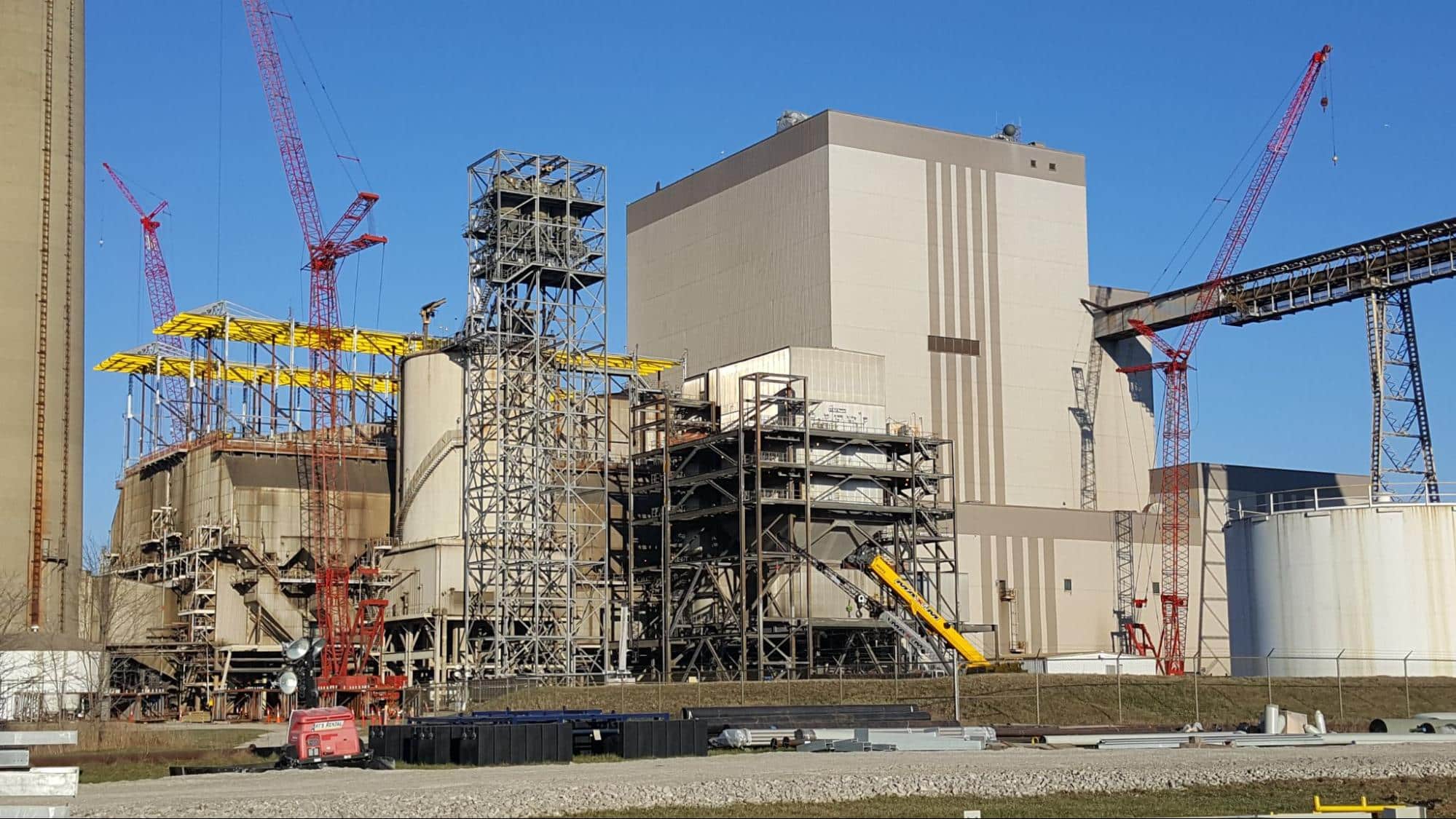
Industrial plant turnarounds run on narrow windows and unforgiving schedules. Whether you’re overseeing a refinery shutdown, a petrochemical outage, or a power plant maintenance cycle, crane rental for plant turnaround work carries demands that set it apart from any other construction or industrial application. Equipment must arrive on time, fit within congested site conditions, and handle complex lifts under significant schedule pressure. This post explains what makes turnaround crane operations unique, which equipment types are best suited for outage work, and what to look for when selecting a crane rental partner.
Key Takeaways
- Industrial plant turnarounds are scheduled on a defined maintenance cycle, typically every few years, and involve bringing an entire facility offline for inspections, repairs, and equipment replacement, often with large contractor workforces of thousands of skilled workers on site simultaneously.
- Crane selection for turnarounds must account for access restrictions, confined spaces, multi-crane coordination, and lift complexity that differs significantly from standard construction work.
- Common crane types for turnaround work include all-terrain cranes, rough terrain cranes, carry deck cranes, crawler cranes, and engineered rigging systems for confined-space lifts.
- Planning for turnaround crane rental should begin 6 to 12 months in advance, depending on fleet complexity and project scope.
- A crane rental partner for turnaround work should offer broad geographic reach, operated and maintained rental options, engineered rigging capabilities, and project management support.
- Unplanned downtime costs up to $500,000 per hour according to 76% of industrial decision-makers surveyed, which is why turnarounds that stay on schedule are not optional.
What Is a Plant Turnaround, and Why Does Crane Access Matter?
A plant turnaround is a planned, temporary shutdown of an industrial facility to perform inspections, maintenance, repairs, and equipment replacement that cannot be done during normal operations. Refineries, petrochemical plants, power generation facilities, and large manufacturing operations all depend on these scheduled outages to keep equipment running safely and reliably between cycles. They are among the most complex, costly, and logistically demanding events an industrial plant will undertake.
Oswald Deuchar, Global Head of Modernization Program at ABB Motion Services, put the operational stakes plainly in October 2025: unplanned downtime is costing industry up to half a million dollars per hour, and facilities that haven’t modernized their maintenance approach are facing what he called a silent crisis. That assessment comes from a survey of 3,600 senior industrial decision-makers; 83% put the floor at $10,000 per hour, with 76% estimating costs reaching $500,000. It’s precisely that exposure that makes planned turnarounds — and the crane programs that support them — worth getting right the first time.
Cranes are central to that equation. Equipment removal and replacement, vessel and reactor lifts, transformer and boiler handling, and access for high-elevation work all require crane support. When the crane plan fails, the turnaround schedule fails with it.
Why Turnaround Crane Work Is Different


Crane rental for plant turnaround work is not interchangeable with crane rental for general construction or commercial projects. Outage work presents distinct challenges that set it apart from standard crane rental:
- Time compression: A turnaround window is fixed. Crane crews work extended shifts and lift sequences are tightly choreographed.
- Lift complexity: Turnaround lifts often involve heavy process equipment in confined or restricted spaces, including vessels, reactors, heat exchangers, boilers, turbines, and transformers. Load paths, ground bearing capacity, and clearances require detailed pre-planning. Many lifts require engineered rigging solutions when conventional crane access is not available.
- Multi-crane coordination: Larger turnarounds frequently run multiple cranes simultaneously. Coordinating overlapping lift zones, swing radii, and operator sequencing in a live industrial environment adds layers of complexity that go well beyond standard jobsite management.
Common Crane Tasks During Industrial Plant Turnarounds
Industrial plant turnarounds consistently require crane support for equipment removal, heavy component replacement, and access support for elevated structural and mechanical work. While every outage differs by facility and scope, these applications appear across refinery, petrochemical, power, and manufacturing turnarounds:
- Lifting and positioning process equipment: vessels, reactors, and heat exchangers being removed, repaired, or replaced
- Removing and reinstalling large piping systems and structural components
- Handling heavy machinery components including turbines, generators, and compressors
- Transformer and pressure vessel lifts, often in space-limited areas near operating equipment
- Providing access support for high-elevation structural and mechanical work
- Rigging support when lift conditions require non-standard solutions
Crane Types Best Suited for Turnaround Work
Equipment selection depends on site conditions, load weight and geometry, and available access. A well-planned turnaround crane package often draws on several crane types operating concurrently.
All-Terrain Cranes
These offer over-the-road mobility and strong reach capacity, making them a flexible choice for lifts with adequate ground bearing and open swing radius. See all-terrain crane rentals for available configurations.
Rough Terrain Cranes
These handle unpaved or uneven surfaces within a plant footprint and deliver versatility in tighter operating areas. Learn more about rough terrain crane rentals and capacity ranges.
Carry Deck Cranes
These are among the most common cranes in plant maintenance and outage work. Their compact footprint, 360-degree rotating deck, and ability to move through narrow aisles and congested process units make them particularly well suited for turnarounds. Explore carry deck crane rentals for more.
Crawler Cranes
These provide stability and high lift capacity for heavy lifts where outrigger footprint is a constraint. They are well suited for lifting large vessels, reactors, and boilers that require precise load control at height. See crawler crane rentals for available fleet.
Engineered Rigging Systems
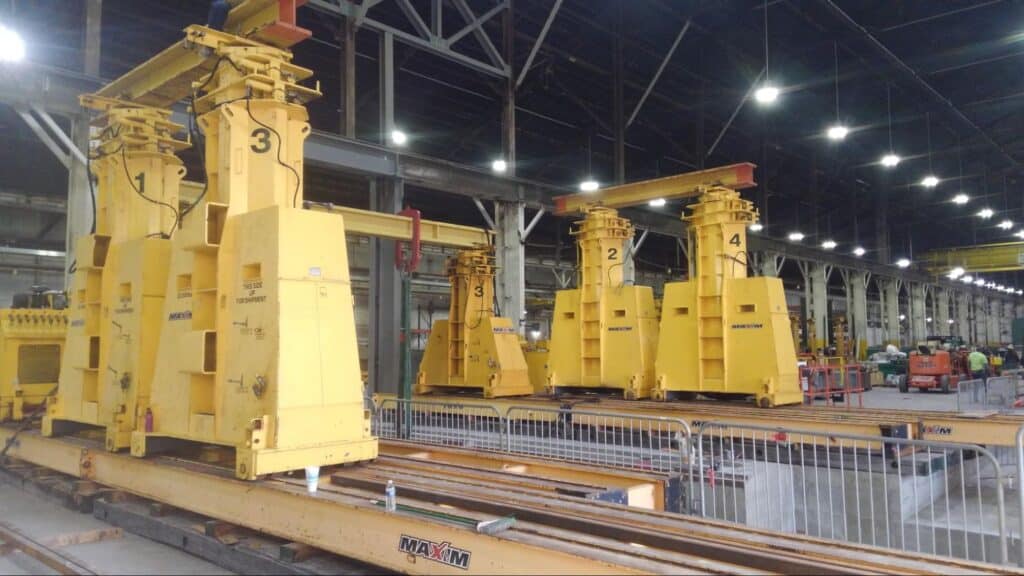
Gantry systems and jack-and-slide configurations address lifts that are too confined or constrained for a conventional crane. When a load must move through a narrow space, slide into position under a structure, or lift with extremely limited overhead clearance, engineered rigging provides the solution.
How Far in Advance Should You Plan Turnaround Crane Rental?
Planning for crane rental for plant turnaround work should begin well before the outage window. Six to 12 months is a reasonable lead time for complex multi-crane requirements, though some facilities begin preliminary equipment discussions earlier for major outages.
Early planning accomplishes several things. It ensures the crane types you need are available in your region, particularly for large outages that may require multiple cranes at a single site. It allows time for lift planning, PE-stamped drawings, and engineering review of complex or confined lifts. And it gives the crane rental partner time to coordinate transportation, permitting, and crew scheduling across what is often a multi-week or multi-month outage window.
Turnarounds that arrange crane rental on compressed timelines risk limited equipment availability in the region, reduced time for lift engineering, and cost premiums from last-minute mobilization. Starting earlier removes those variables from an execution environment that already has enough of them.
What to Look for in a Crane Rental Partner for Turnaround Work
Not every crane rental company is equipped to meet the demands of turnaround work. The criteria below distinguish partners suited for outage work, and the gap tends to show during execution rather than during the selection process:
- Fleet versatility and availability: Turnarounds often require multiple crane types at the same time, sometimes at the same facility. A partner with a large, versatile fleet and broad geographic coverage is better positioned to meet that demand without requiring coordination across multiple vendors.
- Operated and maintained rental options: Many turnaround operators do not have sufficient in-house crane operators for extended outage schedules. A rental partner that offers fully crewed and maintained equipment directly reduces staffing complexity for the plant.
- Engineered rigging and lift planning: Complex lifts require engineering input before a crane arrives on site. A partner with in-house engineering services and access to engineered rigging systems provides continuity of support from planning through execution.
- Project management support: Multi-crane, multi-phase turnarounds benefit from centralized project management that coordinates equipment deployment, lift sequencing, and onsite logistics, reducing the coordination burden on the plant’s turnaround team.
- Safety record: A partner with a documented safety commitment and independent third-party certifications provides accountability.
How Maxim Crane Works Supports Industrial Turnarounds
Maxim Crane Works supports industrial turnaround and shutdown work at refineries, petrochemical facilities, power plants, and manufacturing operations across 50+ locations coast-to-coast. As the only coast-to-coast provider of lifting services, Maxim brings a large, refreshed, versatile fleet to the full range of outage lift scenarios without requiring plants to coordinate across multiple vendors.
For turnarounds where plant operators need crewed equipment, Maxim’s Operated and Maintained Rentals service provides access to a network of over 2,000 crane operators. That depth of operator availability reduces sourcing complexity for extended outage schedules where in-house crews cannot cover the full scope of lift activity.
For lifts requiring engineering input, Maxim’s Engineering Services and Engineered Rigging capabilities address complex, confined, and high-capacity lift scenarios, including gantry systems and jack-and-slide configurations. Project Management services provide pre-lift planning, PE-stamped drawings, and onsite coordination support across multi-crane, multi-phase turnarounds.
Maxim holds ISO 9001, ISO 14001, and ISO 45001 certifications and operates under a zero accident safety philosophy. The company received the SC&RA Crane & Rigging Group Safety Award in 2024 and achieved a record-low Total Recordable Incident Rate that year. Learn more about Maxim’s safety program.
Frequently Asked Questions About Crane Rental for Plant Turnarounds
What is the difference between a plant shutdown, turnaround, and outage?
A shutdown is any cessation of operations, whether planned or unplanned. A turnaround is a specific type of planned shutdown built around a comprehensive program of inspections, maintenance, and equipment replacement, typically scheduled on a defined maintenance cycle of several years. An outage refers to any period when a plant or unit is offline; in industrial contracting, turnaround and outage are frequently used together to describe the same planned event.
What types of cranes are most commonly used during a plant turnaround?
The most common crane types in turnaround and shutdown work are carry deck cranes, all-terrain cranes, rough terrain cranes, and crawler cranes. For confined or space-limited lifts where conventional crane access is not available, gantry systems and jack-and-slide rigging are also used. The right mix depends on plant layout, load specifications, and lift complexity for the specific outage.
How far in advance should crane rental be arranged for a plant turnaround?
It depends on scope. Complex, multi-crane outages at large facilities warrant 6 to 12 months of lead time, and some plants begin preliminary conversations earlier for major cycles. Smaller turnarounds with a single crane and straightforward lift requirements can often be arranged on a shorter timeline, though scope definition and equipment coordination should still begin well ahead of the outage window. The actual drivers are equipment availability in the region, whether lift engineering is required, and crew scheduling for the outage window; the calendar date is just where those factors converge.
Why are cranes considered critical path in turnaround execution?
Cranes are often on the critical path because equipment removal, repositioning, and reinstallation cannot proceed without them.
Can plant operators use their own crane operators during a turnaround?
Plant operators can use their own operators where available and properly credentialed for the specific equipment. However, many plants do not have sufficient in-house crane operators to cover the extended schedules and multi-crew requirements of a full turnaround. Crane rental partners that offer operated and maintained rental services allow plants to source crewed equipment directly, reducing staffing complexity for the outage duration.
Plan Your Turnaround Crane Rental with Maxim Crane
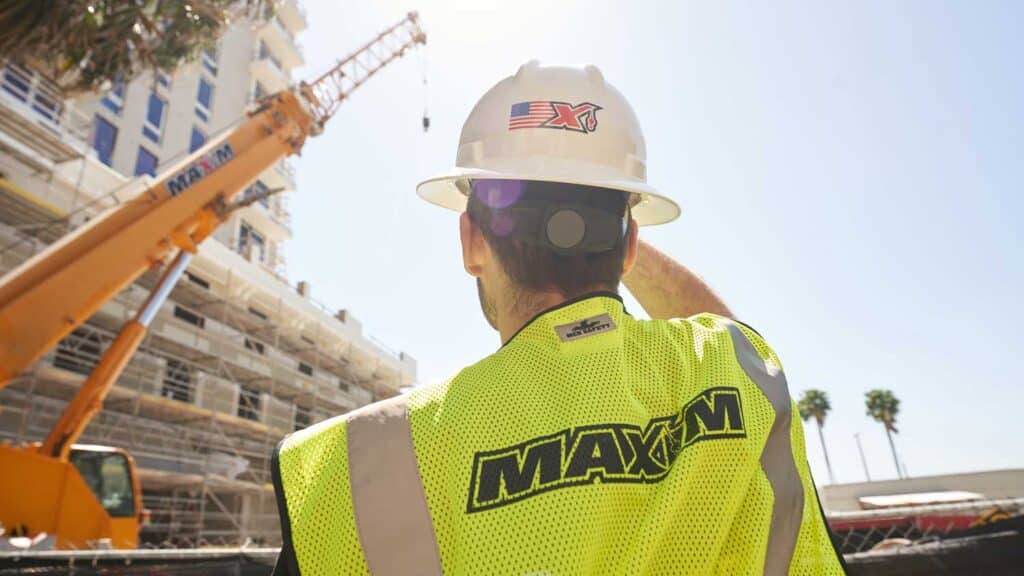
Industrial plant turnarounds leave limited room for equipment or planning shortfalls. The right crane rental partner brings fleet availability, engineering support, and project coordination to an outage from the planning stage forward, not after complications arise.
To discuss crane rental for your next plant turnaround or shutdown, request a quote from Maxim Crane or explore the full crane rental fleet to find the right fit for your project.
